How to Trademark a Symbol: A Step-by-Step Guide
Learn how to trademark a symbol, from choosing a unique mark and performing clearance to filing with the USPTO and protecting your icon across goods and services. This educational guide covers strategy, filing, and enforcement for students, designers, and researchers.


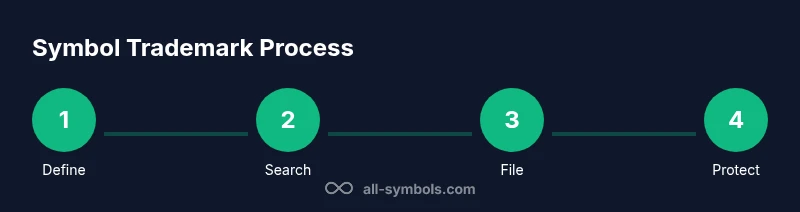
According to All Symbols, this guide shows you how to trademark a symbol—from confirming uniqueness and clearance to filing with the USPTO and maintaining protection. You’ll learn how to describe your symbol, select the right class, gather specimens, and monitor use to enforce rights across products and services.
Why trademark a symbol matters
A symbol often acts as the most visible face of your brand. If you're learning how to trademark a symbol, the core goal is to protect unique designs that identify your goods or services in the marketplace. A registered symbol grants exclusive rights to use that mark for specified classes, helping you prevent confusion, deter imitators, and build brand trust. According to All Symbols, a well-protected symbol can become a powerful shorthand for your organization’s identity, signaling quality and consistency to customers, partners, and regulators. This protection also supports licensing, collaborations, and expansion into new product lines by providing a clear legal basis for action if another party uses a similar mark.
Key terms you should know
To navigate the trademark process, you should be familiar with a few core terms. Symbol: any mark, icon, letter, or graphic element used to identify your goods or services. Distinctiveness: the degree to which your symbol stands out from existing marks; the more distinctive, the easier registration becomes. Likelihood of confusion: the standard used to determine if two marks are confusingly similar. Specimen of use: evidence showing you actually use the symbol in commerce. Office Action: a formal communication from the trademark office identifying issues with your application. Trademark: a legally recognized brand sign that identifies your goods or services; Service Mark is the equivalent for services. Good-faith use: the requirement that you intend to use the mark honestly in commerce.
How registrability is judged
Registrability hinges on distinctiveness and the absence of confusing similarity to existing marks. A symbol that is inherently distinctive or has acquired distinctiveness through use is more likely to register. If your glyph resembles common icons or generic shapes, you may face higher hurdles. The trademark examiner evaluates factors like the mark as a whole, the related goods or services, and whether consumers are likely to misidentify one mark for another. In such cases, providing strong arguments and evidence of use can influence the outcome in your favor.
Preparing the application materials
Prepare high-quality, clean artwork of the symbol in vector format (SVG or AI). Create a clear description of the mark and its meaning, and assemble a specimen or declared use showing how you present the symbol in commerce. You’ll need a preliminary list of goods/services (the Nice Classification classes) and a plan for which classes you want to protect. Consider whether you’ll register for a word mark, design mark, or a combination. A well-drafted description reduces ambiguity and increases your chances of a smooth prosecution.
The filing process and prosecution
Submit your application online through the relevant trademark office (for example, the USPTO in the United States). Your filing includes the symbol image, a description of the mark, chosen classes, and a specimen. After submission, the office may issue an Office Action outlining issues—such as likelihood of confusion or descriptiveness—that you must address. Respond promptly with clarifications or amendments. Throughout the process, ensure your descriptions match the actual use of the symbol and keep evidence of use up-to-date.
Maintaining and enforcing your symbol trademark
After registration, you must monitor the market for potential infringements and renew your registration when required. Use consistent branding materials to reinforce your ownership and gather evidence of third-party use when needed. Enforcement can include cease-and-desist letters, oppositions, or litigation if necessary. Ongoing maintenance requires vigilance and timely responses to any challenges from the trademark office or competitors.
International considerations
Trademark rights are territorial. If you plan to use the symbol in multiple countries, explore options like regional filings or international treaties (for example, the Madrid Protocol) to streamline protection. You may also need to translate or adapt descriptions to local classes and ensure that your symbol’s meaning remains distinctive in different markets. Early planning reduces the risk of later conflicts and simplifies global branding.
Tools & Materials
- Vector artwork of the symbol (SVG or AI)(High-resolution, clean lines; avoid color gradients in the final mark)
- Clearance search tool or IP attorney(Search USPTO TESS, TMview, and other databases for similar marks)
- List of goods/services (Nice Classification)(Draft with accurate classes and clear descriptions)
- Specimen of use or intent-to-use evidence(If you have actual use, include screenshots or packaging showing the symbol)
- USPTO (or regional) filing account(Online account to submit and track the application)
- IP attorney or advisor (optional but recommended)(Helpful for complex marks or international filings)
- Payment method for filing fees(Credit card or electronic funds transfer)
Steps
Estimated time: varies
- 1
Define your symbol and scope
Clarify what the symbol represents and where it will be used. Ensure the design is distinctive and not merely decorative. A clear scope reduces later disputes and guides class selection.
Tip: Document your decision process and expected product categories for reference. - 2
Conduct a clearance search
Search existing marks in the relevant classes to identify potential conflicts. Include similar glyphs, color variants, and related phrases to assess risk comprehensively.
Tip: Use multiple databases and, where possible, consult an IP professional to interpret results. - 3
Identify classes and draft descriptions
Choose the correct Nice Classes for your goods or services and craft precise, non-generic descriptions. This step shapes your protection scope and filing strategy.
Tip: Be specific about product lines; broad descriptions invite objections. - 4
Prepare filing materials
Create a high-quality symbol image, a concise description, and a specimen or use plan. Align all materials with your chosen classes and your branding.
Tip: Keep back-up files and ensure consistency across all documents. - 5
File the application online
Submit your symbol, description, classes, and specimen through the official filing system. Double-check that all fields reflect your current use and intent.
Tip: Save confirmations and track deadlines actively. - 6
Respond to actions and maintain rights
If the office issues an Office Action, respond promptly with accurate corrections or amendments. After registration, monitor and renew to maintain protection.
Tip: Maintain a log of monitoring and renewal dates to prevent lapses.
Questions & Answers
What counts as a symbol for trademarking?
A symbol can be any mark, icon, glyph, or design that identifies your goods or services. It may include logos, monograms, or abstract shapes. The mark must function as a brand identifier and be distinguishable from other signs in your market.
A symbol is any mark or design used to identify your goods or services, like logos or icons.
Do I need a lawyer to trademark a symbol?
No, a lawyer is not required, but an IP attorney can help with complex cases, refusals, and international filings. For straightforward marks, individuals or small teams commonly file themselves.
Not required, but helpful if the process becomes complex or you’re filing internationally.
Can I trademark a symbol that includes text?
Yes, a symbol that includes text can be registered as a design mark, a word mark, or a combination mark depending on how the elements are presented and used in commerce.
Absolutely—depending on how the text and design appear in use, you’ll choose the right filing type.
What is the difference between a trademark and a service mark?
A trademark protects goods; a service mark protects services. The underlying legal standards are similar, but the classification and usage differ based on whether you sell products or services.
Trademarks cover goods; service marks cover services. Both are registered under similar rules with class distinctions.
How do I know if my symbol is already registered?
Perform a comprehensive clearance search across relevant databases and check for similar marks in your classes. If in doubt, consult an IP professional to interpret results and explain the likelihood of conflicts.
Check databases for similar marks across your classes, and ask an IP expert if you’re unsure.
How long does it take to register a symbol?
Processing times vary by jurisdiction and complexity. After filing, expect potential Office Actions or oppositions that can extend timelines. Always monitor status through the official filing system.
Times vary; filings may face office actions or oppositions that affect timing.
Watch Video
The Essentials
- Define a unique symbol with clear meaning.
- Carry out comprehensive clearance to avoid conflicts.
- Choose classes carefully and describe goods/services precisely.
- Prepare solid filing materials and specimens.
- Monitor use and renew protection to sustain rights.