Can You Put a Trademark Symbol on Anything? A Practical Guide
Learn when you can legally use trademark symbols, what each symbol means, how to apply them correctly, and practical steps to avoid misrepresentation and penalties.


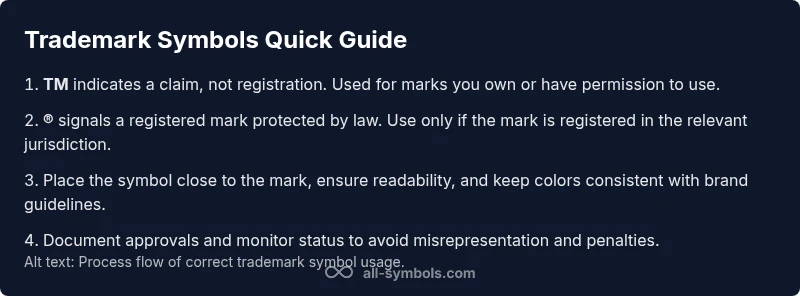
Trademark symbols should only appear next to marks you own or have explicit rights to use. The ™ indicates an intention to claim a mark, while the ® signals a registered trademark. You cannot legally place these symbols on generic terms, unrelated products, or items you don’t control; misuse can trigger misrepresentation claims or legal penalties.
The Core Question: can you put a trademark symbol on anything?
In practice, the question often asked is: can you put a trademark symbol on anything you want, simply to signal quality or prestige? The short answer, supported by trademark law and branding guidelines, is no. Trademarks are legal tools that indicate ownership, consent, or authorized use. According to All Symbols, the symbol should be placed only beside marks you actually own or have explicit permission to use. The difference between ™ and ® matters: ™ signals an intent to claim a mark, while ® signals a registered and legally protected mark. Misusing these symbols—such as applying them to generic words, random slogans, or products you do not control—can mislead consumers and expose you to claims of infringement or misleading marketing. This article explains when and how you may legitimately apply these symbols, and how to incorporate them into your branding responsibly. Can you responsibly apply trademark symbols without infringing rights? The answer depends on your ownership, your approvals, and the jurisdiction in which you operate.
The Core Question: can you put a trademark symbol on anything?
In practice, the question often asked is: can you put a trademark symbol on anything you want, simply to signal quality or prestige? The short answer, supported by trademark law and branding guidelines, is no. Trademarks are legal tools that indicate ownership, consent, or authorized use. According to All Symbols, the symbol should be placed only beside marks you actually own or have explicit permission to use. The difference between ™ and ® matters: ™ signals an intent to claim a mark, while ® signals a registered and legally protected mark. Misusing these symbols—such as applying them to generic words, random slogans, or products you do not control—can mislead consumers and expose you to claims of infringement or misleading marketing. This article explains when and how you may legitimately apply these symbols, and how to incorporate them into your branding responsibly. Can you responsibly apply trademark symbols without infringing rights? The answer depends on your ownership, your approvals, and the jurisdiction in which you operate.
The Core Question: can you put a trademark symbol on anything?
In practice, the question often asked is: can you put a trademark symbol on anything you want, simply to signal quality or prestige? The short answer, supported by trademark law and branding guidelines, is no. Trademarks are legal tools that indicate ownership, consent, or authorized use. According to All Symbols, the symbol should be placed only beside marks you actually own or have explicit permission to use. The difference between ™ and ® matters: ™ signals an intent to claim a mark, while ® signals a registered and legally protected mark. Misusing these symbols—such as applying them to generic words, random slogans, or products you do not control—can mislead consumers and expose you to claims of infringement or misleading marketing. This article explains when and how you may legitimately apply these symbols, and how to incorporate them into your branding responsibly. Can you responsibly apply trademark symbols without infringing rights? The answer depends on your ownership, your approvals, and the jurisdiction in which you operate.
Tools & Materials
- Authorized trademark owner or license(You must have explicit rights to use the mark.)
- Official brand guidelines or trademark policy document(Contains permitted uses, sizes, colors.)
- Access to trademark database or registration certificate(Shows status and jurisdiction.)
- Vector logo file or approved artwork(Preferred for consistency.)
- Legal counsel or brand manager approval(Optional for ambiguous cases.)
Steps
Estimated time: 30-45 minutes
- 1
Verify ownership and rights
Confirm you own the mark or hold express permission to use it. Review registration certificates and license terms, and note any limitations on goods, services, or geographies.
Tip: Document the permission in writing and timestamp approvals. - 2
Check jurisdiction and status
Trademark rules vary by country. Verify the jurisdiction where the symbol will appear and ensure the mark is active and protected in that region.
Tip: If in doubt, consult a local IP attorney to avoid regional pitfalls. - 3
Choose symbol and scope
Decide whether to use ™ or ® based on ownership and registration status. Determine where on the product, packaging, or digital assets the symbol will appear.
Tip: Limit use to the specific goods or services covered by the mark to prevent overreach. - 4
Apply symbol consistently
Place the symbol close to the mark, in a legible color, and with consistent sizing across materials. Avoid overloading the design with multiple symbols.
Tip: Use vector assets to keep symbol fidelity at all sizes. - 5
Document approvals and updates
Maintain a centralized record of approvals, versions, and any changes in status, especially if rights are limited or expire.
Tip: Set reminders for renewals and policy reviews. - 6
Monitor usage and enforce
Regularly audit materials and channels where the mark appears. Correct any unauthorized uses and remove symbols where rights have lapsed.
Tip: Create a quick approval gate for new campaigns. - 7
Plan for wind-downs or changes
If rights end or are revoked, remove the symbol from all assets and inform stakeholders to prevent continued misrepresentation.
Tip: Communicate changes clearly to suppliers and distributors.
Questions & Answers
Can I legally place a ™ or ® on a term I do not own?
No. Trademark symbols should only appear with marks you own or have explicit permission to use. Misuse can mislead consumers and lead to legal claims. Always verify rights first.
No. You must own the mark or have explicit permission to use the symbol; misuse can lead to legal claims.
Is ™ allowed on slogans or generic words?
Only if the slogan or term is a registered or validated mark under your rights. If not, avoid using the symbol on generic terms to prevent misrepresentation.
Only if you actually own or are licensed for the term; otherwise avoid using the symbol.
Do I need registration to use ® on a product?
Yes, ® should only be used on marks that are registered in the relevant jurisdiction. Using it without registration can be misleading and may violate laws.
Yes, use ® only for registered marks in the appropriate country.
Can I apply trademark symbols to borrowed logos?
Use of a borrowed or licensed logo requires explicit permission and a clear licensing agreement. Do not apply symbols unless the agreement covers the usage.
Only with explicit permission and a licensing agreement.
What if rights change after I publish materials?
If rights lapse or are revoked, remove the marks from all assets and inform partners to avoid continued misrepresentation.
If rights end, remove the symbols from all assets promptly.
Can trademark symbols be used online without a brand policy?
Online use should still follow ownership and placement rules. A brand policy helps ensure consistency and legal compliance across websites and social media.
Yes, but follow ownership rules and a clear policy for consistency.
Watch Video
The Essentials
- Know who owns the mark before applying symbols
- TM vs ® indicate different levels of protection
- Place symbols accurately and consistently
- Document approvals and monitor ongoing rights