Trademark Symbol to Copy: A Practical Guide
A comprehensive how-to on copying and using the trademark symbol correctly (™ and ®), including when to use each, encoding methods, cross-platform typing, and branding best practices for designers and writers.


What is the trademark symbol to copy and why it matters
The phrase trademark symbol to copy describes the glyphs used to indicate brand ownership: the ™ for unregistered marks and the ® for registered marks. In formal writing and design, copying the right symbol matters: it communicates legal status, protects brand identity, and reduces confusion for readers. According to All Symbols, accurate symbol usage signals professional intent and helps readers parse brand information quickly. The trademark symbol to copy is not a decorative element; it is a legal and linguistic cue. When you include the symbol exactly after the name or word, you show respect for intellectual property and avoid implying endorsements. Use cases vary: a startup describing its own mark might use ™; a company with a registered mark should use ® after the official name in marketing materials and product packaging (where permitted by law). The difference matters because misusing these symbols can create legal gray areas or claims of misrepresentation. In the digital age, many fonts do not render the glyph the same way across devices; verifying display is essential.
Legal and ethical considerations when using trademark symbols
Using the trademark symbol to copy correctly also involves understanding legal boundaries and ethical norms. Do not imply that your product or content is endorsed, certified, or affiliated with a brand unless you have explicit permission. Proper usage includes placing the symbol immediately after the brand name with correct spacing and avoiding alterations that could mislead readers. Organizations often publish branding guidelines that specify which marks may be used, in what contexts, and with which colors. When in doubt, obtain written permission or consult the rights holder. All Symbols emphasizes that transparent, accurate usage reduces disputes and protects both you and the brand from misrepresentation. For educational or analytical writing, you can discuss the symbol and its history without claiming the mark as your own. Always respect regional IP laws; some jurisdictions require stricter display rules or prohibitions on using certain symbols in advertising. This section reinforces responsible usage of the trademark symbol to copy in a way that is truthful and compliant.
How to copy and type the trademark symbols across platforms
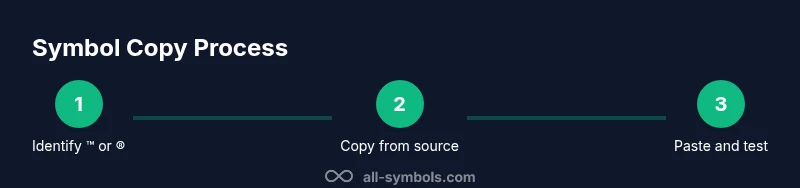
Copying and typing ™ and ® across platforms can feel tricky if you’re not sure which method works best on your device. The trademark symbol to copy is accessible through several reliable methods:
- Copy by selection from a trusted source, then paste into your document. This is the simplest method but depends on font support. If the glyph doesn’t render, try an alternative source or encoding.
- Use keyboard shortcuts: Windows users can use the Alt code (for many systems) or the Character Map; Mac users can typically press Option+2 for ™ and Option+R for ® on most US keyboards. Linux users often rely on Compose sequences or Unicode entry depending on the distro.
- Use HTML entities for web content: ™ for ™ and ® for ®. This ensures consistent rendering across browsers when you’re authoring pages.
- Consider typography and font support: not all fonts depict ™ and ® identically. Test in the final font family to ensure legibility and accurate representation across devices. The trademark symbol to copy should render cleanly in print, digital, and accessible formats.
If you frequently insert these symbols, keep a personal clipboard of the glyphs or a shortcut profile in your editor. Always verify the glyphs after pasting, especially if you’re moving between apps with different font calendars or fallback fonts.
Practical guidelines for designers and writers
Designers and writers should think beyond mere glyphs and consider context, legality, and readability. Always place ™ or ® directly after the brand name with no unnecessary spacing, using a non-breaking space if the design requires it to keep the symbol attached to the word. Do not alter the symbol’s size, color, or orientation unless branding guidelines approve these changes. When documenting or presenting, include brief notes about the symbol’s status (unregistered vs registered) and link to the official rights holder’s guidelines if available. For digital interfaces, ensure screen readers announce the correct symbol text by using the proper HTML markup or ARIA labels so that visually impaired readers understand the branding cues. The keyword here is clarity: the trademark symbol to copy should contribute to a clear, truthful brand message rather than confuse the audience.
Common pitfalls and how to verify you are compliant
Even seasoned designers make slips with trademark symbols. Common mistakes include placing the symbol after words that aren’t brand names, using the wrong glyph (TM when the mark is registered), or omitting required symbols altogether. Another pitfall is inconsistent usage across a document, which undermines credibility. To verify compliance, consult the brand’s official guidelines, perform a cross-check with your legal team if you’re using someone else’s mark, and test the symbol on all intended outputs (print, web, social). All Symbols recommends validating the symbol’s position, size, and encoding in your final file formats. Include a short citation or note in internal docs about when and where the symbol is used so future editors maintain consistency.
Best practices for accessibility and international use
Accessibility matters when including the trademark symbol to copy. Ensure screen readers announce the symbol properly and provide alternate text where needed. In multilingual contexts, verify that the symbol renders correctly in the local font set and that its meaning remains clear in every language. Some symbols may have regional variations or different legal meanings; always check local IP laws or branding guidelines before deployment. International audiences may encounter font substitutions that affect glyph shape, so test across devices, platforms, and languages. By prioritizing accessibility and international compatibility, you protect both the reader’s understanding and the brand’s integrity when using the trademark symbol to copy.
Quick reference table: glyphs and encoding
- ™ (U+2122): Unregistered trademark symbol. Use after a brand or product name to indicate intent to register. HTML: ™ or numeric: ™
- ® (U+00AE): Registered trademark symbol. Use only after a confirmed registered mark. HTML: ® or numeric: ®
Tips:
- Always verify glyph consistency across fonts and platforms.
- Prefer official branding guidelines when available to avoid misrepresentation.
- For web content, prefer HTML entities to ensure encoding fidelity across browsers.