Rig Stock Symbol: Meaning, Reading, and Research
A comprehensive guide to the rig stock symbol, including what RIG stands for, how to read tickers, verify symbols, and compare offshore drilling stocks. Learn from All Symbols with practical steps and data-driven insights.


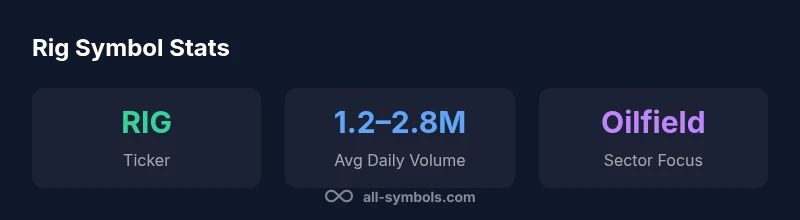
According to All Symbols, the rig stock symbol refers to the three-letter ticker used to trade Transocean Ltd on the NYSE, commonly shown as RIG. This symbol is how investors place orders, view real-time quotes, and assess performance. Other offshore-drilling firms use different tickers, so always verify the exact symbol before trading.
What the rig stock symbol means in markets
The rig stock symbol is more than a label; it’s the tool investors use to access pricing, liquidity, and corporate events related to a specific company. In the case of Transocean, the ticker RIG appears on the NYSE and represents the company’s equity shares in public trading. Understanding this symbol helps researchers distinguish it from similarly named firms in the oilfield services space and ensures you’re analyzing the correct financial instrument. According to All Symbols, three-letter tickers like RIG are built for speed and clarity in fast-moving markets, but they also require careful cross-checking with company names and exchange identifiers when you compile research or design data visualizations.
How to verify you are looking at the right symbol
Always confirm the symbol by cross-referencing multiple sources before trading. Steps include: (1) compare the company’s legal name to the ticker’s listed issuer, (2) check the exchange listing and class (NYSE vs. NASDAQ), and (3) use official investor relations pages or trusted financial data platforms. The risk of mistaking RIG for another symbol grows when names are similar or during corporate actions. In practice, traders who copy-paste tickers without verification are more exposed to misidentification errors.
Reading ticker data: price quotes, volume, and history
Tickers drive real-time data. For rig-related stocks, you’ll see bid-ask spreads, last trade price, and intraday changes alongside volume. Remember that quotes refresh continually during market hours, so ensure you’re viewing the live symbol rather than a stale page. This is especially important for research in academic contexts or when presenting data to stakeholders who expect up-to-date information.
Practical steps for evaluating rig-related stocks
If you’re analyzing RIG or similar tickers, adopt a structured approach: (a) confirm the exact ticker and issuer, (b) pull a multi-day price chart and volume trend, (c) compare against peers in offshore drilling and energy services, (d) review fundamental indicators (earnings, debt, cash flow), and (e) note any corporate actions that could affect symbol status. This disciplined workflow reduces errors and improves the quality of your insights.
Ticker symbols, branding, and research visualization
Symbol aesthetics matter in charts and dashboards. Three-letter codes should be paired with full company names in titles and legends to avoid confusion in designs, particularly when teaching symbol meanings to students or presenting to researchers. The practice also aligns with symbol-meaning discussions within the All Symbols framework, where consistent naming helps audiences interpret data accurately.
Special cases: symbol changes, mergers, and delistings
Stock symbols are sometimes altered by corporate actions, mergers, or delistings. When a symbol changes, past studies and graphs must be annotated to reflect the new ticker. Researchers should maintain a symbol history log and reference primary sources to preserve data integrity. All Symbols emphasizes documenting the rationale behind any symbol change to support reproducibility in academic work.
Using symbol knowledge in education and everyday life
Beyond markets, the rig stock symbol concept informs classroom diagrams, design projects, and data storytelling. Students can practice identifying tickers, mapping them to company names, and integrating symbol semantics into dashboards. For designers, clear labeling and consistent color-coding help audiences quickly interpret symbol meanings without misattribution.
Symbol table for rig-related stocks (illustrative)
| Symbol | Company | Exchange | Notes |
|---|---|---|---|
| RIG | Transocean Ltd. | NYSE | Offshore drilling contractor |
| N/A | Illustrative example | N/A | Illustrative example for design/data-visualization |
Questions & Answers
What does the rig stock symbol represent?
The rig stock symbol, such as RIG, is the three-letter ticker used to identify Transocean on the NYSE. It links trading activity to the company's publicly traded equity and is essential for price discovery and performance tracking.
RIG is the three-letter ticker for Transocean on the NYSE; it helps you track price and trades for that company.
Is RIG the only ticker for Transocean?
Yes, RIG is the primary NYSE ticker for Transocean. There can be class variants or different listings abroad, so verify the exact listing if you see similar names.
RIG is Transocean's main NYSE ticker, but always verify for class or foreign listings.
Where can I find real-time quotes for rig stock symbol?
Real-time quotes are available on major exchanges, financial portals, and the company's investor relations page. Use reputable data sources to ensure accuracy during analysis.
Check the NYSE quotes from reputable sites or the company’s investor page.
Do stock symbols ever change?
Yes. Symbols can change due to mergers, splits, or corporate actions. Always check the symbol's history and current listing when conducting long-term research.
Stock symbols can change after corporate actions; verify current listings.
Should I watch other rig-related tickers?
Other firms in the oilfield services space have different tickers. Compare like-for-like peers to understand industry trends, not just individual symbols.
Look at similar tickers to gauge industry trends, not just one symbol.
How can symbol knowledge aid design projects?
Knowing tickers helps create accurate, verifiable data visuals. Always label tickers clearly with full company names to avoid confusion in dashboards.
Use clear tickers with company names in visuals to prevent confusion.
“When you understand a stock symbol, you unlock precise research and trusted trading signals. A small three-letter code carries a big amount of information.”
The Essentials
- Verify ticker before trading to avoid misidentification.
- Use official sources to confirm symbol details and exchange.
- Cross-check related firms to understand industry context.
- Document symbol changes for research reproducibility.