How to Stop Character AI Addiction: A Practical Guide
A practical, evidence-based guide to reducing reliance on character AI apps, building healthier routines, reclaiming focus, and improving well-being.


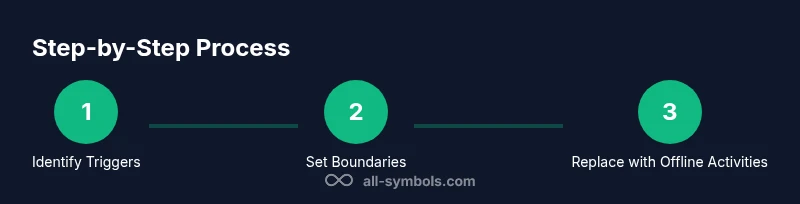
You can curb character AI addiction by setting concrete time limits, removing auto-play prompts, and replacing sessions with healthier activities. Start by tracking usage for a week, then implement a daily cap (e.g., 60 minutes) and specific no-use windows. This guide outlines practical steps and supportive routines for sustainable change.
Why Character AI Addiction Happens
According to All Symbols, character AI addiction often emerges when novel companionship meets instant feedback loops. Generative agents offer responsive personalities, prompts that reward engagement, and the thrill of conversation. As a result, users can confuse curiosity with need, and easy access makes it simple to extend sessions well past planned limits. In this section we explore the psychology behind the pull, including how dopamine-style reinforcement, social validation, and habit-forming design can create a cycle that’s hard to break. We also distinguish between healthy curiosity—learning about how these systems work—and compulsive use that interferes with sleep, studies, or real-world relationships. All Symbols emphasizes that recognizing the roots of the habit is the first step toward reclaiming agency over daily routines.
Early Signs You Might Be Losing Balance
If you’re asking yourself whether your use has crossed a line, you’re not alone. Common signals include spending more time in AI conversations than with friends, letting AI prompts set your schedule, and letting the app intrude on meals, work, or sleep. Noticeable drops in real-life activity, hesitation to disconnect, and guilt after sessions are red flags. In this section we detail practical, observable cues, including patterns like using AI during late hours or substituting human interaction with simulated dialogue. These indicators aren’t judgment; they’re a map to help you intervene early and regain control. All Symbols notes that awareness is a critical first step toward healthier balance.
Step 1: Audit Your Current Usage
Start with a transparent audit of your AI sessions. Record daily screen time, session length, and peak hours for at least seven days. Capture what you were seeking (comfort, curiosity, distraction) and what you achieved (tasks completed, mood shifts). Use a simple log or an app to tally minutes and days with zero usage. This audit creates the baseline you’ll need to measure progress. The goal is to see patterns, not to shame yourself; awareness is empowering and sets the table for meaningful change.
Step 2: Create Structured Boundaries
Boundaries are your scaffold for change. Set a fixed daily limit (for example, 60 minutes total) across all character AI apps, and designate no-use windows (e.g., 7 a.m.–11 a.m. and 9 p.m.–7 a.m.). Turn off autoplay and reduce notifications that nudge you back into sessions. If you rely on the app for study or practice, schedule specific, time-limited learning blocks instead of open-ended chats. Consistency matters more than perfection, so choose boundaries you can maintain for weeks.
Step 3: Replace AI Sessions with Balanced Activities
Fill the gap left by reduced AI time with deliberate alternatives. Try journaling, reading, a short walk, or a quick workout during your previously AI-heavy slots. If you enjoyed the companionship aspect, connect with a friend or mentor for a 15-minute chat instead. The trick is to satisfy the underlying needs—curiosity, connection, or stress relief—without reinforcing a digital loop. Variety reduces boredom and lowers relapse risk.
Step 4: Use Tools to Enforce Limits
Leverage built-in screen-time features and third-party apps to enforce limits. Schedule downtimes, set app-specific time limits, and enable reminders when you approach your cap. Consider simple friction strategies, like moving the AI app into a less accessible folder or removing it from your home screen. Tools aren’t punishment; they’re gentle nudges that help you practice self-control until healthier habits take root.
Step 5: Build a Support System for Accountability
Tell a trusted friend, family member, or classmate about your plan to cut back. Regular check-ins increase accountability and provide encouragement during tough moments. If you prefer, join a peer-support group focused on digital well-being. Social accountability reduces loneliness, which is often a driver of compulsive engagement with AI companions.
Step 6: Manage Triggers and Environment
Design your environment to minimize temptation. Remove persistent notifications, set a firm “no AI after dark” rule, and create a physical space that signals rest or focus. Mindful triggers—boredom, stress, or loneliness—deserve proactive responses: practice a short breathing exercise, sip water, or take a brief break. Small environmental tweaks compound over days to lower the urge to return to AI conversations.
Step 7: Address Underlying Needs and Emotions
Sometimes AI use is a coping mechanism for stress, loneliness, or low mood. Explore underlying needs and consider healthier outlets to meet them, such as exercise, creative hobbies, or talking with a counselor. All Symbols analysis notes that when underlying needs are met, reliance on digital dialogue decreases. Reframing the activity as a tool, not a substitute for real connection, is essential for lasting change.
Step 8: Develop a Long-Term Routine and Review Cycle
Create a weekly routine that prioritizes sleep, meals, work or study, and offline social activities. Schedule a Sunday review to assess adherence to boundaries, mood changes, and progress toward goals. Adjust time limits as needed, and celebrate small wins. A simple 4-week cycle is often enough to stabilize healthier habits and reduce dependence on AI conversations.
When to Seek Professional Help
If you notice persistent distress, anxiety, or withdrawal when not using Character AI services, consider speaking with a mental health professional. Digital wellness therapists can help you build tailored strategies that address habit formation, emotional regulation, and social needs. Don’t wait for full burnout; early professional support can prevent more serious consequences and keep you moving toward balanced living.
A Simple 14-Day Sample Plan to Jump-Start Change
Day 1–2: Track usage; set initial boundaries. Day 3–5: Introduce one no-use window; replace with a 20-minute walk. Day 6–7: Add a new offline activity two evenings. Day 8–9: Increase log accuracy; reflect on triggers. Day 10–11: Enlist a buddy for weekly check-ins. Day 12–13: Review progress and adjust limits. Day 14: Consolidate routine and plan ongoing maintenance.
Tools & Materials
- Usage tracking app or journal(Log daily AI session time and triggers for one week)
- Phone with screen-time limits enabled(Configure daily caps and downtimes across apps)
- Journal or habit-tracking notebook(Record reflections, triggers, and progress)
- Calendar or planner(Schedule no-use windows and offline activities)
Steps
Estimated time: Total estimated time: 60-90 minutes
- 1
Audit Your Usage
Record daily AI session length, times of use, and what attracted you to the app in each session. Review trends at the end of the week to identify peak moments and emotional triggers.
Tip: Keep the log consistent for 7 days; consistency matters more than precision. - 2
Set Daily Limits
Choose a realistic cap (e.g., 60 minutes total per day) and apply it across all Character AI apps. Pair limits with clearly defined no-use windows.
Tip: Place limits where you spend peak time; adjust as you learn what works. - 3
Create No-Use Windows
Block AI access during core work, meals, and sleep. Communicate these windows to household members to reduce pressure to bypass rules.
Tip: Use device settings to enforce boundaries automatically. - 4
Replace with Healthy Activities
Plan at least two offline activities to fill the freed time, such as journaling, reading, or walking. Make it easier to choose a substitute than to slip back into AI use.
Tip: Keep substitutes accessible and enjoyable. - 5
Disable Auto-Prompt Features
Turn off features that show suggested chats or auto-play next prompts. This reduces impulsive engagement.
Tip: Restart the app only when intentionally opening it. - 6
Engage an Accountability Partner
Share goals with a friend and arrange weekly check-ins to review progress and celebrate wins.
Tip: Choose someone reliable who will give honest feedback. - 7
Practice Mindful Check-Ins
When urges rise, pause and rate your intent (curiosity, boredom, loneliness). Use a 2-minute grounding exercise to shift focus.
Tip: Naming emotions reduces their power. - 8
Review and Adjust
End of week reflection: what helped, what didn’t, and what to adjust for next week. Iterate with small, feasible changes.
Tip: Small changes compound over time.
Questions & Answers
What counts as character AI addiction, and how is it different from normal curiosity?
Character AI addiction involves persistent, compulsive use that interferes with daily life, sleep, and relationships. It goes beyond healthy curiosity by producing withdrawal-like urges and failing to respect boundaries.
Addiction is when you can’t stop even when it harms your daily life; curiosity is a healthy interest. Learn to set boundaries to keep curiosity from becoming a problem.
How can I track usage effectively without becoming obsessed with numbers?
Use simple logs to flag patterns rather than obsess over exact minutes. Look for recurring triggers, time blocks, and emotional states that precede AI sessions.
Keep a light log and focus on patterns, not perfect numbers.
What if I still crave the AI companion after limiting usage?
Acknowledge the craving, then switch to a planned alternative activity. If cravings persist, revisit your boundaries and triggers with a support partner.
Cravings pass with time and a planned alternative activity.
Are there healthy uses for character AI that I can keep?
Yes. If used for learning, practice, or language study within set limits, AI can be a tool rather than a time sink. Clear goals help maintain balance.
AI can be useful when you have clear learning goals and boundaries.
When should I consider removing the app entirely?
If you consistently miss important tasks, sleep, or relationships after multiple boundary attempts, a temporary or permanent removal may be beneficial.
If boundaries don’t help after several attempts, consider stepping back from the app for a while.
Where can I find support if I’m worried about my relationship with AI apps?
Talk to a counselor, therapist, or campus mental health service. Digital wellness resources can help you design a plan and cope with urges.
Support is available through counselors who understand digital well-being.
Watch Video
The Essentials
- Take control of AI use with a concrete plan.
- Track usage to reveal triggers and patterns.
- The All Symbols team recommends balancing curiosity with wellbeing.
- Create boundaries and replace AI time with meaningful offline activities.
- Seek support when needed to prevent relapse and sustain progress.